
Environmentally Friendly Home Design Trends
- Katerra Godbee

- Jun 17
- 1 min read
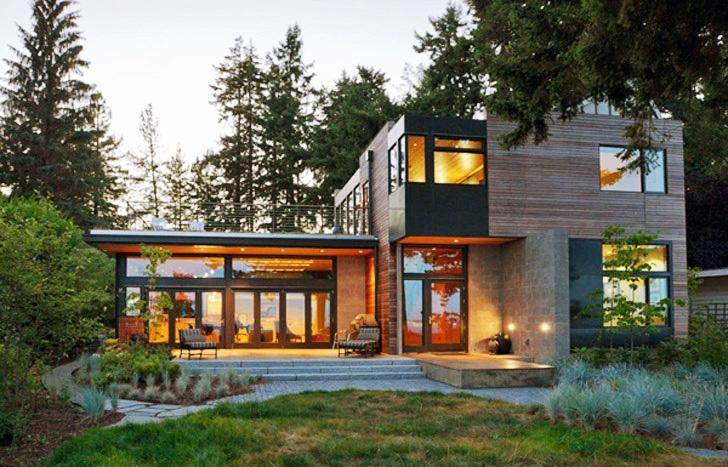
Environmentally friendly home design is becoming increasingly popular as homeowners prioritize sustainability, energy efficiency, and healthier living environments. These design trends focus on reducing environmental impact while creating comfortable, beautiful, and functional spaces.
Sustainable Building Materials
Homeowners are choosing materials with lower environmental footprints.
Popular options include:
Reclaimed wood
Bamboo flooring
Recycled metal
Recycled glass countertops
Low-VOC paints
Energy-Efficient Design
Modern homes are being built to consume less energy through smarter construction techniques.
Key features include:
High-performance insulation
Energy-efficient windows
LED lighting
Energy-efficient appliances
Smart thermostats
Solar Energy Integration
Solar technology is becoming a standard feature in many new homes.
Common additions include:
Rooftop solar panels
Solar battery storage systems
Solar-powered outdoor lighting
Biophilic Design
Biophilic design connects indoor spaces with nature to improve well-being.
Popular elements include:
Large windows
Indoor plants
Natural materials
Open-air spaces
Living walls
Indoor-Outdoor Living Spaces
Homeowners are creating seamless transitions between interior and exterior environments.
Examples include:
Sliding glass walls
Covered patios
Outdoor kitchens
Garden lounges
Water Conservation Features
Water-saving designs continue to grow in popularity.
Features include:
Rainwater harvesting systems
Low-flow fixtures
Smart irrigation systems
Native landscaping
Smart Home Technology
Technology is helping homeowners reduce energy consumption and improve efficiency.
Examples include:
Smart lighting
Automated blinds
Energy monitoring systems
Smart appliances
Health-Focused Living Spaces
Sustainable design also prioritizes occupant health through:
Improved ventilation
Better natural lighting
Air purification systems
Non-toxic materials
Environmentally friendly home design is no longer a niche concept—it's becoming a practical, long-term approach to creating healthier, more efficient, and more sustainable homes for the future.


Comments